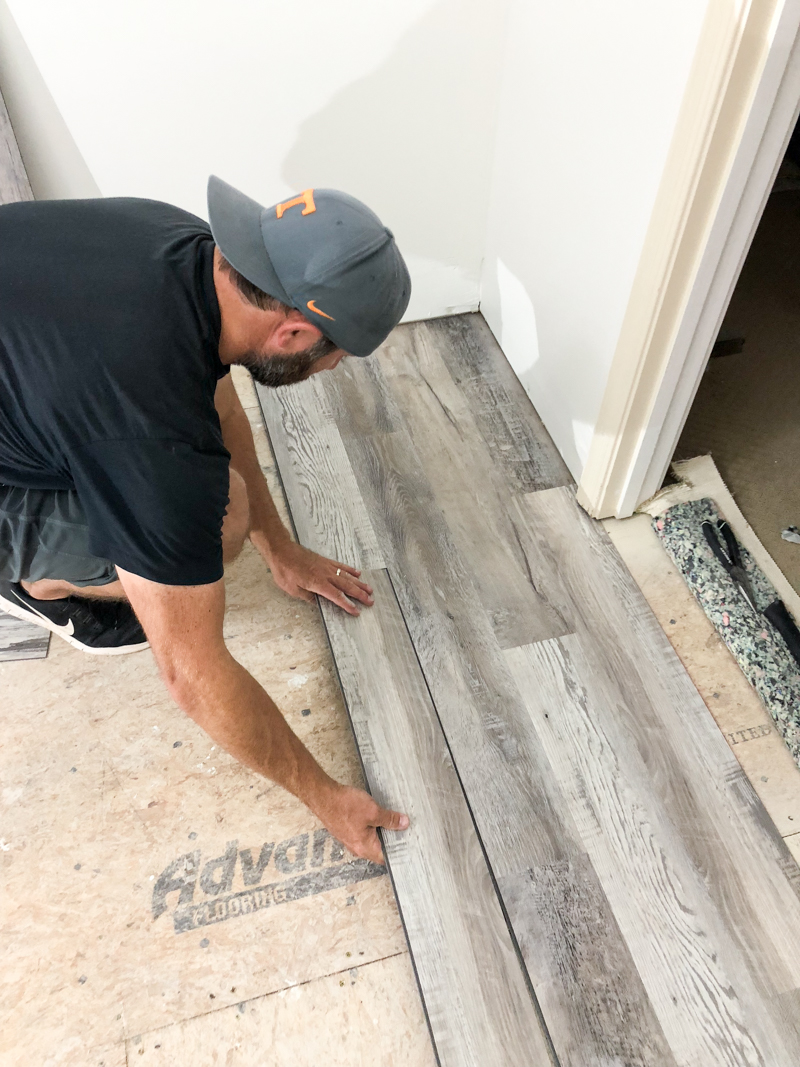
20 Good Reasons For Choosing Floor Installation
Wiki Article
Subfloor Repair Is A Must Prior To Any Flooring Installation
The subfloor repair is the least glamorous component of flooring installation that nobody talks about but nobody would like to shell out money for. It's difficult to determine that it's done, it doesn't photograph well It also adds expenses to a budget that homeowners are generally set as an exact number. However, it is without doubt, the key factor to determine if your new flooring will function the best it can or starts breaking down within the first year. Philadelphia's housing stock consisting of rowhomes and twins, older colonial houses across Bucks County, Delaware County ranches with crawlspaces -- is particularly susceptible to subfloor problems that are not noticed until a new floor goes down and exposes them. What every homeowner should know prior to putting down the floor.
1. The Subfloor is what your new Floor Is Actually Attached to
It's a simple concept, but it gets lost when you're trying to choose materials. If you're installing naildown hardwood or glue-down LVP, floating laminate, or ceramic tile, the finished appearance is only as secure as the floor underneath. A subfloor that has soft edges, spots of flex destruction, or even level variance doesn't become irrelevant once new flooring is installed -the problem is telegraphed upwards, typically within months. Certified flooring installers test the subfloor prior to looking at anything else for the same reason.
2. In older homes, Philadelphia has subfloor conditions that surprise contractors.
Houses built before 1960 across Philadelphia, South Jersey, and the rest of the surrounding counties, often have diagonal board subfloors, rather than plywood, this was a method of construction that was popular in the past but causes real difficulties for contemporary flooring installation. Board floors are more prone to move, and also include gaps within planks, and frequently require an overlay of plywood prior to installing tile or hardwood is feasible. Contractors that don't highlight this in the estimate weren't looking at it correctly or planning to work around the issue in ways that will cause problems later.
3. Soft Spots are a Red Flag Sign, Not a Minor Inconvenience
A swollen spot on your subfloor - an area with a slight flex when you walk across it -usually indicates moisture damage, rot, or delamination of the subfloor material itself. In the event of installing flooring over an area with a soft patch won't correct the problem; it only hides it temporarily as the damage continues underneath. For hardwood flooring for Philadelphia specifically, soft spots pose a real threat to the nail or staple anchor that keeps the flooring in place. Flooring that begins to lift, squeaking, or separating from the subfloor typically will be traced back to a weak spot that was not addressed prior to installation.
4. The level variation affects every flooring Type differently
Many flooring manufacturers set the maximum allowed variation in subfloor flatness -- commonly 3/16 inch over the span of 10 feet. This tolerance is exceeded affects the different substances in different ways. Tile flooring isn't very tolerable: high spots chip tiles, low spots split grout lines as well as an uneven subfloor underneath large-format porcelain offers an assurance of callbacks. LVP has a lower chance of exhibiting minor variations than many, but large dips or ridges can still show through time. Hardwood signalizes unevenness via hollow spots and movement. Subfloor leveling compound or targeted grinding can be the solution to avoid an issue.
5. The moisture in the Subfloor is a distinct issue in comparison to the Humidity of Households
These are two different issues needing separate solutions. Ambient indoor humidity affects the way wood flooring expands seasonally. Subfloor moisture -the transmission of vapor through concrete as well as wicking from old board subfloors, or residual dampness from a leak directly affects the bonds of adhesive, causing floating floors ' to buckle, as well as encourages mold growth underneath flooring that is finished. A proper moisture reading prior flooring is installed at Philadelphia homes is a standard practice. For jobs that aren't done the contractor has to assume rather than knowing what's being worked on.
6. Concrete Slabs Need Moisture Testing Before Glue-Down Installation
It is common for glue-down hardwood and LVP installation over concrete is commonplace within Delaware County and South Jersey homes that have slab-on-grade construction. What's less commonly communicated to homeowners is the fact that concrete slabs emit moisture vapor continually, and the amount is crucially important for the performance of adhesives. Even a concrete slab with a pass on a visual inspection can still fail an acid test or a relative humidity test. Flooring adhesives applied to a slab with excessive emitting vapors will break its bond, sometimes within one year -- and the floor will begin to shift, bubble or split.
7. Subfloor Repairs Costs Are Hard to estimate without seeing
This is why the most reputable flooring contractors will not give you an exact all-inclusive cost via phone. Subfloor repair in Philadelphia can vary from a simple $200 patch of plywood to several cents per square foot across an extensive area that has moisture damage. Only way to be sure is to visit the site and make a thorough assessment. homeowners who press contractors to provide an unlocked-in amount before anyone has even looked at the subfloor could create the situation that either contractor builds in a large amount of contingency or cuts corners if problems appear mid-job.
8. The Tile Installation Test is the Most Inflicting Test to determine the integrity of your subfloor
Ceramic tile and porcelain tiles have no flexibility -- they transmit stress directly to the bond beneath them. Any subfloor that shows significant flex can crack tile and grout regardless of what level of flexibility the tile was laid. The minimum requirement for installing tile is that the subfloor be stiff enough to be able to meet standard of deflection that engineers refer to as L/360- meaning a 10-foot span can not deflect more that 1/3 inch under stress. Older Philadelphia homes typically fall short of this requirement without reinforcement. Failures to install bathroom tiles in older homes are nearly always caused by subfloor stiffness hidden behind a wall.
9. Addressing the Subfloor Now Protects the Refinishing Value Later
One of the hardwood flooring's major advantages over time is the capacity to finish and sand it many times in the span of a few decades. The benefits are lost if subfloor beneath it has been damaged. Refinishing and sanding floors for refinishing in Philadelphia requires a sturdy, properly fastened floor -one that doesn't shift or flex under the sanding machines. Problems with subfloors that were manageable when the floor was first installed, become serious issues when refinishing attempts are made sometime later. The correct maintenance of the subfloor at the start will protect any future service that the floor is ever going to need.
10. The Contractors Who Locate Subfloor issues are the ones worth Inquiring
This may be counterintuitivepeople don't want to hear how their job became much more costly prior to when it began. A flooring contractor who visits your property, determines subfloor issues and includes repairs as part of their work is doing precisely what a professional must do. They who do not mention the issue, give a low estimate and then start installing flooring on a subfloor that is damaged are those who earn the bad reviews a few months later. If you're receiving estimates for flooring in Philadelphia The quality of the inspection before the quote is written provides all you need to know about how it will go. Read the recommended
nail down hardwood flooring Philadelphia for website tips including licensed flooring installers Philadelphia, flooring installers South Jersey, free flooring estimate Philadelphia, flooring estimate Philadelphia, subfloor repair Philadelphia, flooring contractors Montgomery County PA, hardwood floor installation cost Philadelphia, floor installation Delaware County PA, laminate flooring installation Philadelphia PA, hardwood floor installation Philadelphia and more.
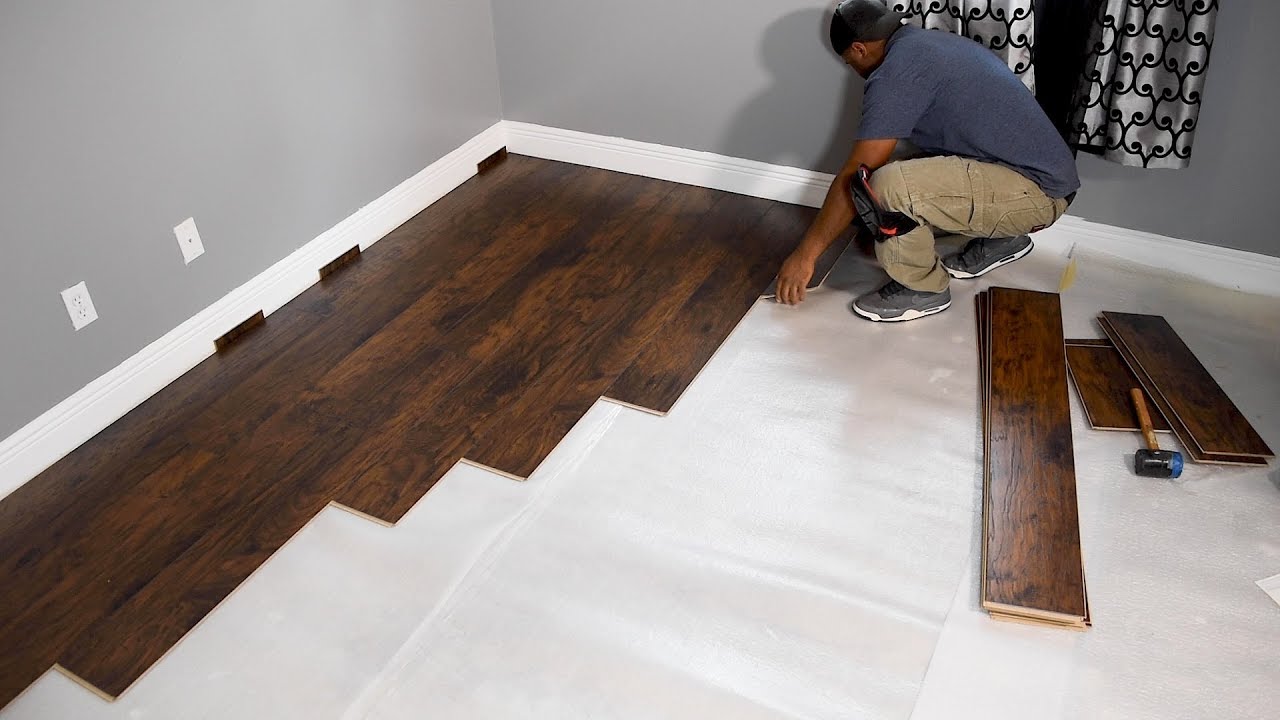
Hardwood Refinishing Vs. Replacement: What Makes Sense?
Floors made from hardwood in Philadelphia homes have history embedded in their design -- the original Oak strip flooring that was part of a Germantown twin and broad pine planks found in the Chestnut Hill colonial house, and decades-old hardwood flooring in a Delaware County ranch that's seen three families. When floors become rough, the natural reaction is typically replacement. However, it's not always the wise choice and refinishing isn't always as cheap as even though it seems like it is on the surface. The choice between sanding and finishing the wood or taking out the old and beginning afresh depends on factors that only appear clear after someone who knows what they're looking for takes a closer look at the flooring. The following steps will help you think through the options before committing to either path.
1. The thickness of your flooring is the initial thing that determines your options.
Solid hardwood can be sanded renovated multiple times in its life -- but not infinitely. Each time you refinish, you remove a thin layer of wood and once the floor is stripped down, and is close to tongue and groove fastening system the wood, it cannot be sanded to be resanded again in a secure manner. The majority of solid hardwood is 3/8 inch thickness, with 1/4 inch more material on top of the tongue to allow sanding. A flooring specialist can measure remaining thickness by using an indicator placed in a non-detectable location -- the reading, as much or more, will determine the status of refinishing in the works.
2. Engineered Hardwood is a bit narrower in its refinishing Window
Engineered hardwood installation has grown exponentially across Philadelphia, Bucks County, and Montgomery County homes over the past two decades. lots of homeowners don't realize the floors are engineered until refinishing comes up. The actual veneer layer in engineered hardwood is a bit thinner than solid wood -- ranging in the range of 1mm to 6mm dependent on the kind of product which limits the amount of time this can be used to sand. Thin-veneer engineered flooring may not be able for a single refinishing pass, or none whatsoever. Knowing what you've got before considering refinishing a wood piece is the best way to avoid the expense of an estimate visit.
3. Refinishing is considerably less expensive than Replacement in the majority of cases.
Refinishing and sanding floors in Philadelphia generally costs between $3 and the square foot for $6. The complete replacement of hardwood floors -removal of flooring, subfloor analysis, new flooring, and installation -- may cost anywhere from $10 to $20 per square foot or more based on species and process. for a 500 square feet area, the cost is between one $1500-$3,000 job and a $5,000-$10,000 one. If your floor has sufficient thickness, and is not structural issues with it, refinishing offers most of the visual impact of new floors at less than half the price.
4. Surface Damage Is Not never a reason to replace
Scratches and scuffs, dullness, minor staining, and coloration at the surface are exactly what floor sanding and refinishing is designed to solve. The appearance of these conditions is worse than they really are. A proper sanding session removes the damaged surface layer and brings the floor back to its natural wood, at time when custom staining or finishing will restore the appearance of the floor completely. Philadelphia homeowners who decide to repair floors due to surface damage could have finished away making a costly choice based on aesthetics rather than structural truth.
5. Structural Damage Modifies the Calculation Completely
Warping, cups, major damaged by water that has reached below the surface and is causing rot at the board the level or flooring with extensive loose or missing sections are different issues from scratch marks on the surface. Refinishing helps with surface wear -- it cannot correct a board that has moved in structural terms due to moisture, and it is not able to repair flooring that has subflooring underneath has failed. If structural damage is evident or if structural damage is evident, the most honest recommendation from a certified flooring installer could be that replacing the floor is the only route to ensure that the floor performs correctly rather than just look better for a while.
6. The past history of Refinishing may affect the Decision Currently Made
A floor made of hardwood that has been refinished 3 or four times throughout its lifetime could have less material above the tongue no matter how thick it started. But, the original hardwood flooring in a Philadelphia residence that has never been refinished -- something that is far more frequent than what people would expect in older houses -- may have considerable remaining thickness even if it appears rough. The look of the floor is not an indication of its refinishing potential. Physical measurements and, sometimes an opening in the floor to look at a cross-section of the floor is the way a professional determines what's left.
7. Custom staining during refinishing can alter the appearance of floors
One of the less appreciated benefits of refinishing is the chance to alter the floor's hue completely. Custom wood staining in Philadelphia is an element of the recovering process. Once the floor has been sanded back to its original wood, a stain will be applied before the finish coats get dripped down. For those who have lived with orange-toned 1990s hardwoods for several years are usually surprised to discover those same boards are now a cool gray or a dark walnut or a warm natural, depending on the species chosen and the stain used. A replacement isn't needed to change the appearance dramatically.
8. Relating New Hardwood to existing floors is Harder than it sounds
One scenario that pushes homeowners towards complete replacement is when just a part of a floor must be repaired -- a water-damaged section, an addition, a room that was carpeted previously. The installation of new hardwood that matches existing wood flooring in the remainder of the house is actually difficult. The wood species, the cut, grain pattern, and years of patina cannot be reproduced precisely when you install new wood. Flooring contractors from Delaware County and South Jersey who are truthful about this will advise you that a complete refurbishment of the complete flooring area after patching is often the only method for achieving an aesthetic coherence.
9. Replacement opens the doors to Upgrading the Material Entirely
Sometimes, the best option would be to replace it not as refinishing will be difficult, however because the floor will not be worth the effort. Low-quality softwood that can scratch easily flooring with subfloor concerns that need to be addressed without delay, or even homes where the layout has changed and the previous flooring isn't working anymore These are the situations where replacing can lead to a major upgrade. Transitioning from worn softwood white oak, or from damaged solid hardwood to engineered wood more suited for your home's moisture conditions, is a different choice than replacing a flooring that is refinishable, but not necessarily.
10. Make sure you take the test before you Choose, Not after You've decided
Refinish and. replace choice must be taken after an expert has examined the floor, and not before. Many reputable flooring contractors in Philadelphia provide estimates for free including this type evaluation -- measuring the thickness of floors, identifying of structural and. surface damage, moisture analysis, and a concise description of what each option is about in terms as well as timeline and final results. Customers who ask for a replacement quote typically have already talked themselves out of the possibility of refinishing they've yet to fully explore. The assessment is free. If it turns out to be unnecessary it isn't. Check out the recommended Take a look at the top rated flooring contractors Philadelphia PA for website info including flooring installers Philadelphia, cheap flooring installation Philadelphia, tile flooring contractors Philadelphia PA, flooring contractors Bucks County, solid hardwood floor installation Philadelphia, hardwood floor installation Bucks County, kitchen tile flooring Philadelphia, floating hardwood floor installation Philadelphia, floor installation Bucks County PA, LVP floor installation cost Philadelphia and more.